The Internet provides the infrastructure for a multi-trillion dollar, rapidly growing economy and the costs of intellectual property crime are enormous. With two-thirds of the global population online, brand protection is no longer just an option for corporations.
Patterns in Brand Monitoring considers the ways in which a scientific approach can be applied to the analysis of brand protection data, essential for filtering and prioritizing the results and yielding insights into trends and patterns in infringement activity.
Throughout the book, technical definitions and formulations of key ideas are presented in information boxes and are illustrated by the use of real case studies.
The book is of relevance to stakeholders responsible for brand protection, intellectual property management, marketing or digital services in any organization, and to anyone with a general interest in the industry. It illustrates how an effective analysis approach can build efficiencies into a brand protection program, provide guidance on areas of focus, and demonstrate return on investment.
Disconnected: Exploring the Decline of Social Networks examines the future of social networks, highlighting their transformation from community builders to sources of misinformation and frustration. Using interdisciplinary insights, it uncovers the complex interplay of technological, social, and cultural factors behind this shift. It discusses the impact on individuals, businesses, and society, proposing pathways to a healthier digital environment.
The book delves into the fascinating journey of social networks, tracing their evolution from tools that fostered community building to platforms that can sometimes spread misinformation. It explores how privacy issues are crucial in shaping user experiences and trust. Disconnected also examines the phenomenon of algorithmic polarization, where algorithms create echo chambers and contribute to the spread of disinformation.
The author explores the social and cultural factors that influence social networks. Additionally, he includes case studies that highlight the real-world impacts of social networks on individuals, businesses, and society as a whole.
Readers will discover practical solutions that offer pathways to creating a healthier digital environment, enable recognition of misinformation and privacy issues more effectively as well as gain strategic insights that will help navigate and influence the future of social networks.
A practical ‘how to’ book showing the world’s anxiety-filled introverts (and anxiety-filled extroverts too) how they can not only survive but also thrive in the workplace, as told by one of their own.
The workplace often seems geared towards extroverts and people with high self-confidence, and it can lead to the rest of us putting artificial limits on ourselves. In this book, you will receive a first-hand description of how to succeed in the workplace, as told by a self-described anxiety-filled introvert who successfully navigated that world, moving from technical roles to management to executive leadership.
This book will enable you to:
Better understand the internal struggles that many of us experience and that can make life more difficult for us at work, from social anxiety to imposter syndrome to fear of public speaking and more,
Implement real-world, practical techniques to mitigate these internal struggles and prevent them from becoming career derailers, while also turning them into an advantage,
Create your own personal toolkit of methods for coping with stress and anxiety at work and protect your mental health.
This book goes beyond theory. It’s not a collection of platitudes and clichéd motivational sayings–it’s relatable, practical, and told with humor. If you’re one of the world’s many anxiety-filled introverts (or extroverts) and are looking for help thriving in the workplace, High Impact at Low Decibels is for you.
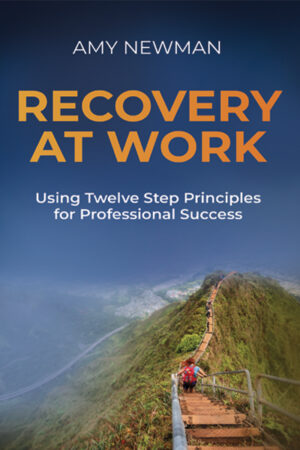
The tools I learned in recovery from addiction can help anyone find peace and develop resilience at work.
The principles behind Twelve Step programs like Alcoholics Anonymous are simple but profoundly useful for restoring balance and building confidence. Recovery at Work provides practical examples for applying tools to overcome the stress and burnout of daily work life and to build a better career. Twelve Step principles have helped millions of people in recovery, and they can work for anyone.
Dozens of real, personal stories illustrate ways to handle work challenges and conflicts with honesty, humility, hope, compassion, and courage. Examples show how to find your footing—as though you’re walking along a narrow ridge—without overreacting or numbing out.
With practice, you’ll get better at discerning what you can and can’t control at work. You’ll learn to accept what you can’t control and become more skillful at changing what you can control.
Embrace the future with confidence and harness the transformative power of artificial intelligence to supercharge your nonprofit’s efficiency and impact.
Guided by our motto “Don’t be afraid, be prepared,” this book demystifies AI, making it accessible and practical for everyday use in your organization. It provides straightforward strategies and real-world examples to show how AI can streamline operations, enhance your mission’s impact, and revolutionize problem-solving.
This guide is your key to navigating the evolving landscape of nonprofit management, arming you with the tools and knowledge needed to thrive in an era of innovation. Prepare to lead your organization toward a successful, impactful future.
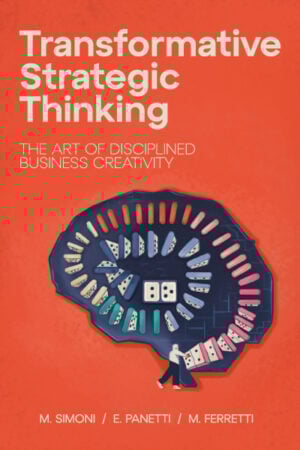
In an era marked by rapid innovation and disruptive technologies like AI, unforeseen global challenges like the recent pandemic, and pressing sustainability challenges, businesses’ survival and success hinge on their ability to transform continuously.
The success stories of industry giants like Amazon, Uber, and Airbnb reveal a crucial insight: Thriving in today’s market isn’t just about innovative products or cutting-edge technology—it’s about pioneering business models.
This book introduces the Transformative Strategic Thinking (TST) toolkit, a creative thinking methodology designed for businesses eager to embrace change and explore new business model scenarios. The TST toolkit combines analytical tools for evaluating current business models with five transformational practices for experimenting with new ones.
Concluding with real-life success stories of three entrepreneurs who navigated disruptive innovations and black swan events through the TST approach, this book provides a hands-on perspective on transforming business models. Different from traditional strategy literature, this book doesn’t offer off-the-shelf formulas but empowers you to think creatively. With step-by-step guidance, visual collaboration tools, real-world case examples, exercises, and design tips, you will learn to dissect your current business model, identify areas for improvement, and foster a creative approach to developing new models.
Targeted at forward-thinking managers, daring entrepreneurs, aspiring business leaders, and ambitious startup founders, the TST toolkit equips them to challenge conventional business models and design innovative ones. It is equally valuable for students and enthusiasts of business design, design thinking, and entrepreneurship.
The service process design landscape is rapidly evolving, with technology-enabled innovations allowing the service provider to create a more personalized service experience and customers to take a more active role in the service process.
Designing Service Processes to Unlock Value was written to help you understand the opportunities (and challenges) for value creation in this dynamic environment. You will learn about approaches for designing all types of service processes, as well as the unique challenges of designing knowledge-intensive services. And because service performance outcomes are dependent on the knowledge, skills, and abilities—that is, capabilities of both service providers and customers, the book concludes with strategies for unlocking these capabilities to further boost value co-creation.
This edition was being revised when artificial intelligence (AI) and generative AI (e.g., ChatGPT) was being embedded in more and more service processes ranging from knowledge-intensive professional services to transactional services we engage with every day.
Much like the COVID-19 global pandemic, AI and other developing technologies such as robots, extended reality, digital twins, Internet of Things, and other smart technologies, will continue to have profound impacts on how services are designed, delivered, and experienced by service providers and customers, as well as the communities and world in which we live.
This edition includes new and updated examples of technology-enabled innovations that provide unprecedented flexibility in service process design and continue to transform how service providers and customers co-produce services. At the same time, you will see how these and other service innovations can have important—and sometimes surprising—impacts on the benefit and cost trade-offs and synergies that determine value co-creation.
Classroom to Workplace: Land Your First Marketing Communications Job is the perfect career-building handbook for those entering the marketing communications professions. It provides practical guidance and easy-to-use motivational steps to help advertising, public relations, and digital marketing students and grads chart their own path to overcome insecurities and job-hunting roadblocks, putting their best foot forward starting now.
Featuring valuable insights from diverse communications majors who have landed competitive jobs, the book offers proven tips to help aspiring professionals manage nerves and self-doubt, choose career directions, get the most from internships, build a professional network, craft application materials, interview confidently, and start strong in a new job. Hiring and human resource professionals share essential best practices for success.
Good project decisions result in successful careers and profitable companies. Bad decisions can be costly and cause operational downtime, may hurt employee morale, and impact customers and suppliers. Making a good decision has become very difficult because of increasing operating complexity and less marketplace predictability. Because of this: employers rate critical thinking and decision making as a top essential skill.
Business problems are complex – so why do we continue to use a standard one-dimensional approach to solve complex, risky, and unpredictable problems?
This book takes a novel but practical, multi-dimensional approach to making value-creating project decisions–decisions which use less resources to produce maximum value, including:
Link company strategy and goals to project concepts,
How to assess which projects produce value,
Risk,
Make or buy project criteria,
Service based project decisions.
This book is intended for project managers, supply chain professionals, and operationally focused roles for individuals having responsibility for successfully delivering projects and want to take charge of their career.